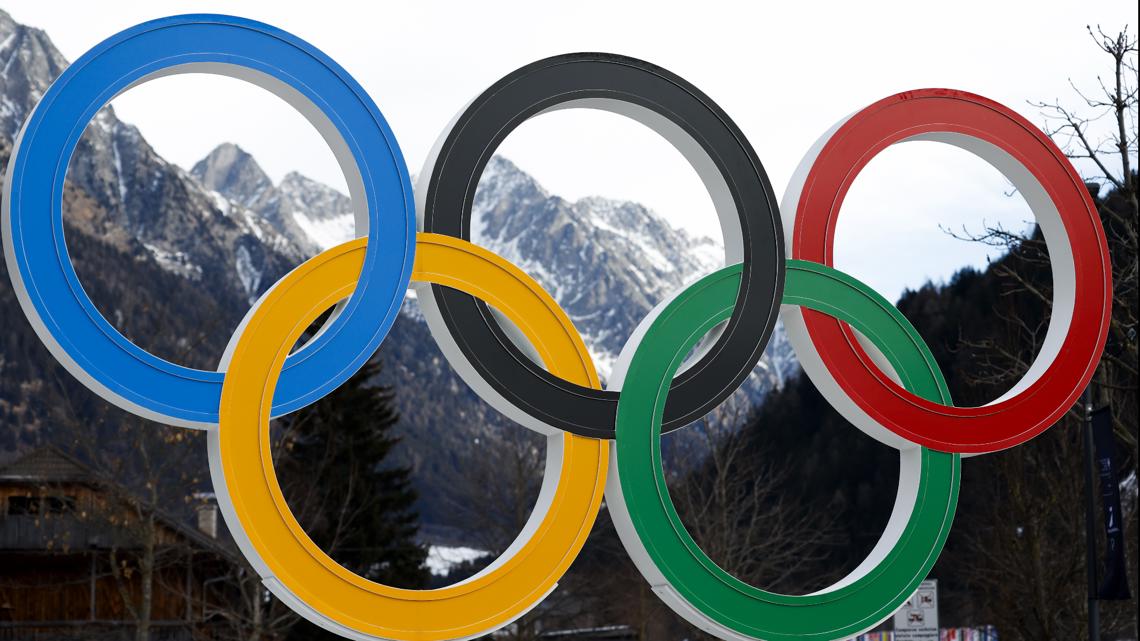
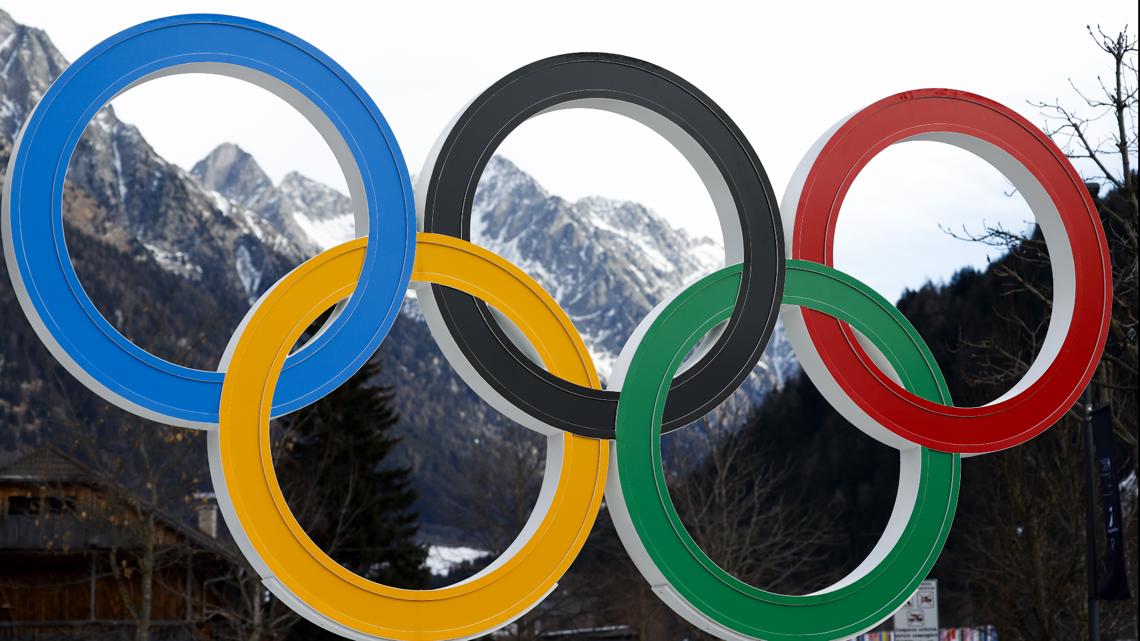
The men’s figure skating competition at the 2026 Winter Olympics is set to be one of the most eagerly awaited events of the Games.
Location & Dates
Host city: Milan–Cortina 2026
Venue for figure skating: Mediolanum Forum in Assago (close to Milan)
Schedule of events: The men’s short program and free skate are anticipated to take place in the first half of the Games (February 2026). Specific session dates will be announced as the Olympics approach.
Defending Olympic Champion
The current Olympic champion from the 2022 Games in Beijing is Nathan Chen, but it’s uncertain if he will participate in 2026. Should he decide not to compete, the event will likely showcase a new wave of skaters vying for the gold medal.
Winter Olympics 2026 Key Competitors
Although the last Olympic qualifiers will occur in 2025–2026, these skaters are anticipated to be significant competitors:
Ilia Malinin – Recognized for successfully executing the quad Axel and advancing technical boundaries
Yuma Kagiyama – Olympic silver medalist (2022), impressive all-around athlete
Shoma Uno – World titleholder and regular contender for the podium
Adam Siao Him Fa – Ascending European champion
Cha Jun-hwan – Robust equilibrium of technique and artistry
New young skaters could also appear before 2026, rendering qualification events essential.
Format of the Competition
Men’s singles consists of two sections:
Short Program – Every skater competes; leading 24 progress
Free Skate – Concluding segment deciding medal placements
The podium is determined by the combined scores from both
History of the Winter Olympics
The Winter Olympic Games are a global multi-sport competition that takes place every four years for disciplines performed on snow and ice. The International Olympic Committee organizes them, and they have evolved from a minor European contest into one of the largest sports events globally.
❄️ Beginnings (Early 1900s)
Prior to the establishment of the Winter Olympics, winter sports were part of the Summer Olympics. Sure! Please provide the text you’d like to have paraphrased.
Figure skating made its first appearance in the 1908 Summer Olympics.
Ice hockey made its debut in the Summer Olympics of 1920.
Due to the rising popularity of winter sports, the IOC made the decision to establish a distinct winter event.
🥇 Inaugural Winter Olympics (1924)
The inaugural official Winter Olympics occurred in Chamonix in 1924.
Initially known as International Winter Sports Week, it was subsequently acknowledged as the 1st Winter Olympic Games.
Key Points:
Seventeen countries took part. 258 competitors participated. Activities encompassed skiing, skating, ice hockey, and bobsledding.
🌍 Development and Progress (1930s–1980s)
1930s to 1940s
1932: Held in Lake Placid
1936: Held in Garmisch-Partenkirchen
1940 y 1944: Juegos suspendidos por la Segunda Guerra Mundial.
1950s–1970s
Winter sports achieved worldwide recognition:
1956: Initial broadcast of the Winter Olympics on television
1960: Technological advancements enhanced timing and scoring.
1976: Renowned moments in figure skating and skiing
Nations such as the USSR, USA, Norway, and Austria excelled in numerous competitions.
1980s
The 1980 Winter Olympics showcased the renowned “Miracle on Ice” hockey triumph of the United States against the Soviet Union.
🗓️ Shift to Biennially (1994)
Initially, the Summer and Winter Olympics took place in the same year.
Beginning in 1994, the IOC divided them to alternate every two years.
Sure! Please provide the text you want me to paraphrase.
1992 Olympic Winter Games: Albertville
1994 Snow Games: Lillehammer
This shift amplified worldwide focus and broadcasting prospects.
🏔️ Contemporary Period (2000s–Present)
Significant Recent Games
2002: Salt Lake City
2010: Vancouver
2014: Sochi
2018: PyeongChang
2022: Peking
Starting as a modest gathering in France in 1924, the Winter Olympics have transformed into a grand global event, honoring winter sports, culture, and worldwide collaboration. Every edition brings fresh athletes, countries, and advancements that further define its legacy